How Do You Use Essential Oils Safely?
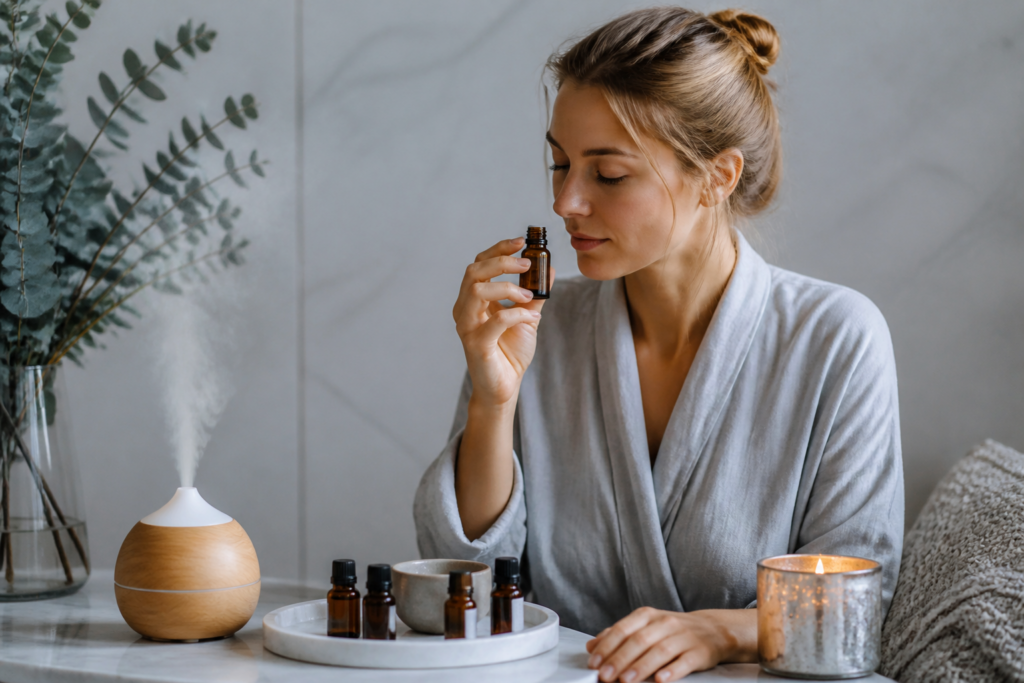
Essential oils have become a beloved part of many home wellness routines, but understanding how do you use essential oils safely is key to enjoying their natural aromas and properties without any risk. While often praised for their delightful fragrances and calming effects, essential oils are potent plant extracts that need to be handled with care. In this guide, we will explore practical advice on the safe use of essential oils, from dilution and application to storage and choosing the right oils for your needs.
Understanding Essential Oils: Concentration and Potency
Before delving into usage, it’s important to appreciate that essential oils are concentrated extracts taken from plants. This concentration means a little goes a long way, and improper use can lead to skin irritation or other sensitivities. If you are curious about the basics, you might enjoy reading What Are Essential Oils and How Do They Work? to get a richer understanding of their origins and properties.
Essential Oil Dilution: Why It Matters
One of the primary rules when considering how do you use essential oils safely is dilution. Pure essential oils should rarely be applied directly to the skin without dilution. Carrier oils such as jojoba, sweet almond, or coconut oil are excellent bases that help to spread the essential oil evenly and reduce the risk of irritation.
A typical safe dilution ratio for adults is about 2-3 drops of essential oil per teaspoon (5ml) of carrier oil. For sensitive skin or for use on children, even greater dilution is advisable, sometimes as low as 0.5-1%. Always conduct a patch test on a small skin area before widespread application to check for reactions.
Different Ways to Use Diluted Essential Oils
- Massage: Combine essential oils with a carrier oil to create a soothing massage blend.
- Baths: Add diluted oils to a warm bath, but avoid adding them directly to bathwater without a dispersant like milk or body wash, as oils do not mix with water easily.
- Moisturisers: Enhance your daily moisturiser with a few drops of essential oil for added aroma and benefit.
Our Klay Soap – Lavender & Vanilla is a lovely option to combine with your essential oil routines, providing gentle cleansing while adding a touch of natural fragrance (without the need for pure essential oils on the skin).
SENSE RITUAL – SHOP – OUR PICKS
Avoiding Ingestion and Sensitivity
When educating yourself about how do you use essential oils safely, it’s crucial to remember that essential oils should not be ingested unless under direct guidance from a professional. Some oils can be toxic if swallowed or may cause adverse reactions.
Furthermore, certain populations should be especially cautious:
- Pregnant or breastfeeding women: Some oils are not recommended during pregnancy.
- Children: Their skin is delicate; use only very mild oils with high dilution.
- Pets: Many essential oils can be harmful to pets; always check before diffusing or applying oils around animals.
Common Allergens and Photosensitivity
Citrus oils like bergamot, lemon, and lime can cause photosensitivity, meaning they can react with sunlight and cause skin irritation or discoloration. Avoid applying these oils before sun exposure. Patch testing is always wise to identify potential allergies, especially with new oils.
For a delightful citrus experience with a reduced risk of sensitivity, our Klay Soap – Orange and Ginger offers natural fragrance safely integrated into a skin-friendly formula.
Safe Methods of Application
There are several safe methods to enjoy essential oils beyond topical use:
Diffusion
Using an oil diffuser to disperse essential oils into the air is a popular, non-invasive way to enjoy their aromas. Make sure to use pure oils and follow the manufacturer’s instructions, usually limiting usage to 15-30 minutes at a time in a well-ventilated space.
Inhalation
If you prefer direct inhalation, place a few drops on a tissue or cotton ball and breathe deeply. Avoid placing oils too close to your nose or eyes, as they may cause irritation.
Jewellery and Accessories
Some people use diffuser jewellery to carry their favourite scents with them. For example, aroma necklaces, bracelets, or rings can be personalised (do check the product specifics for suitability), offering a subtle and convenient way to experience essential oils safely during the day.
Storage and Handling Tips
Proper storage is essential to ensure your oils remain stable and effective. Essential oils should be kept in dark, airtight bottles away from direct sunlight and heat. Always ensure lids are tightly closed. Store oils out of the reach of children and pets to avoid accidental exposure.
Combining Essential Oils with Natural Products
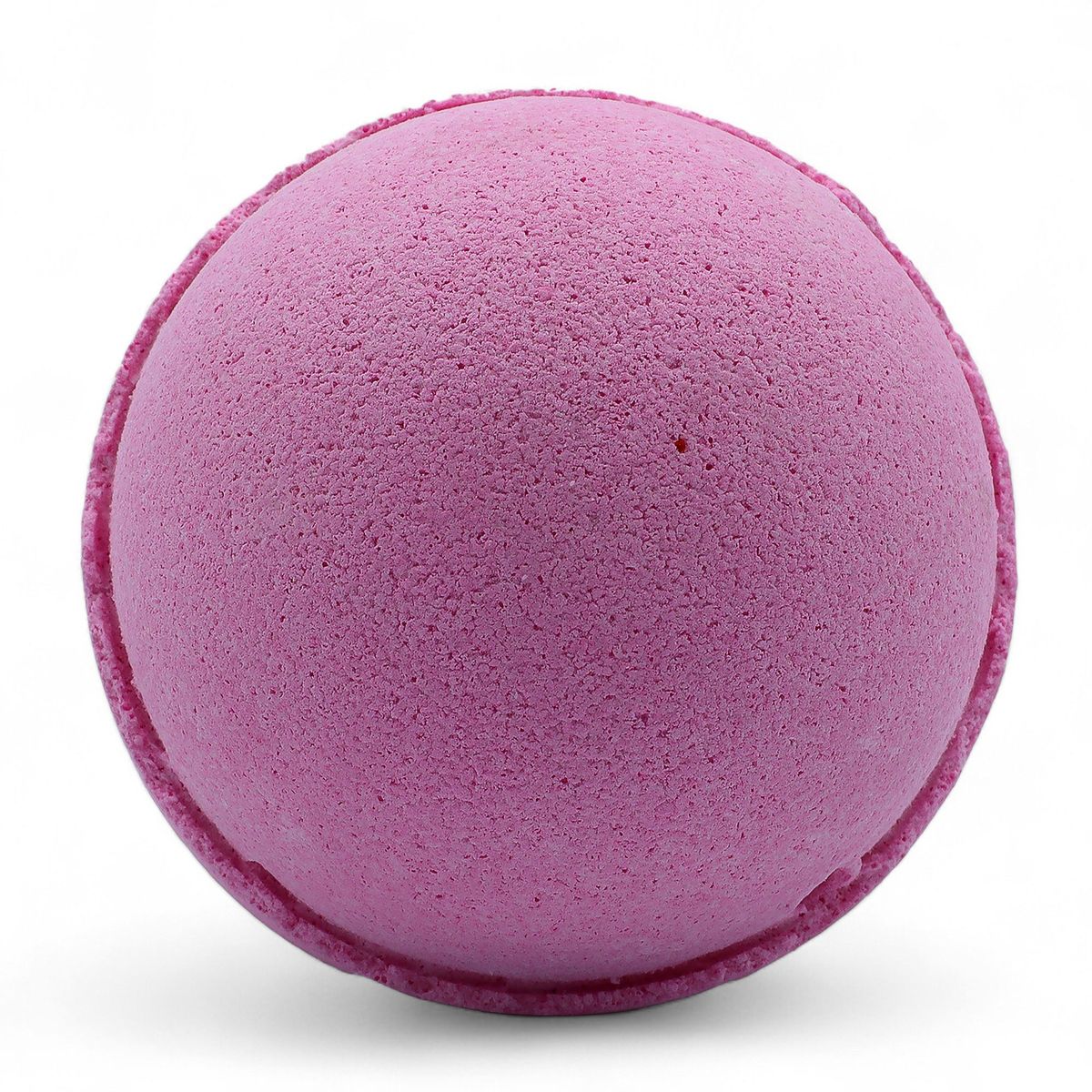
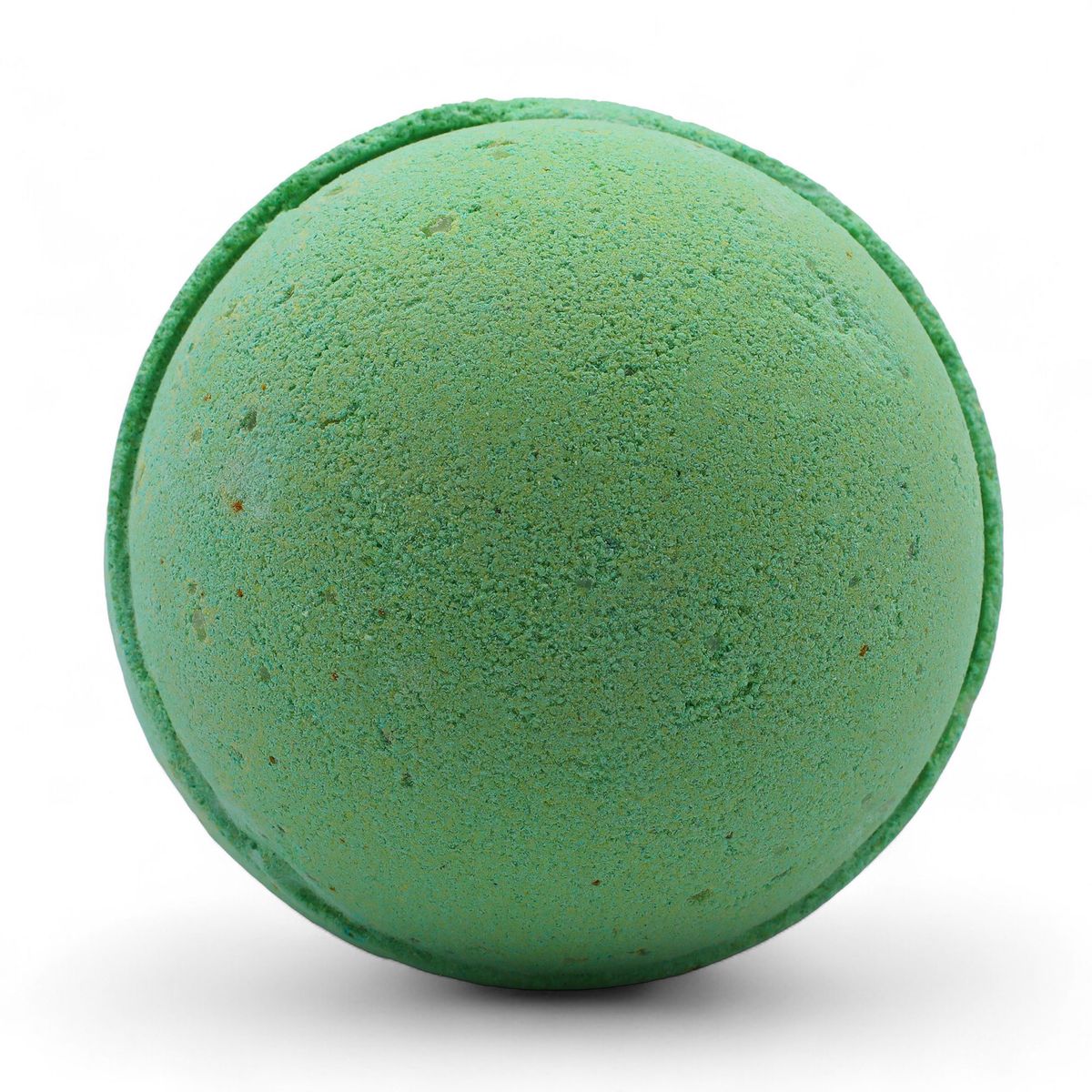
Many bath and body care products are now enhanced with natural fragrances and essential oils, allowing you to enjoy the benefits with formulated safety. For instance, combining essential oils with luxury bath bombs can enhance your relaxation time without concerns about unsafe concentration levels.
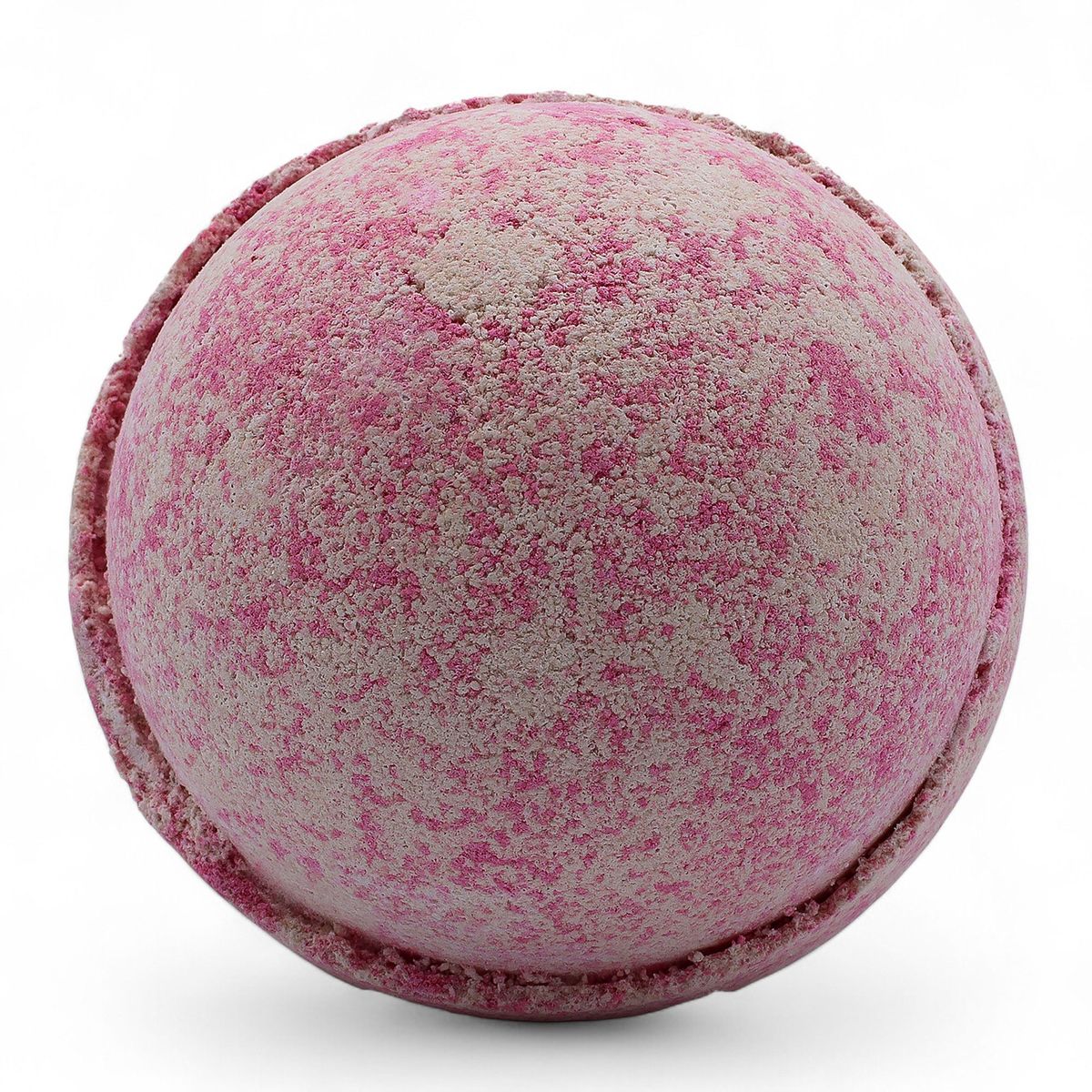
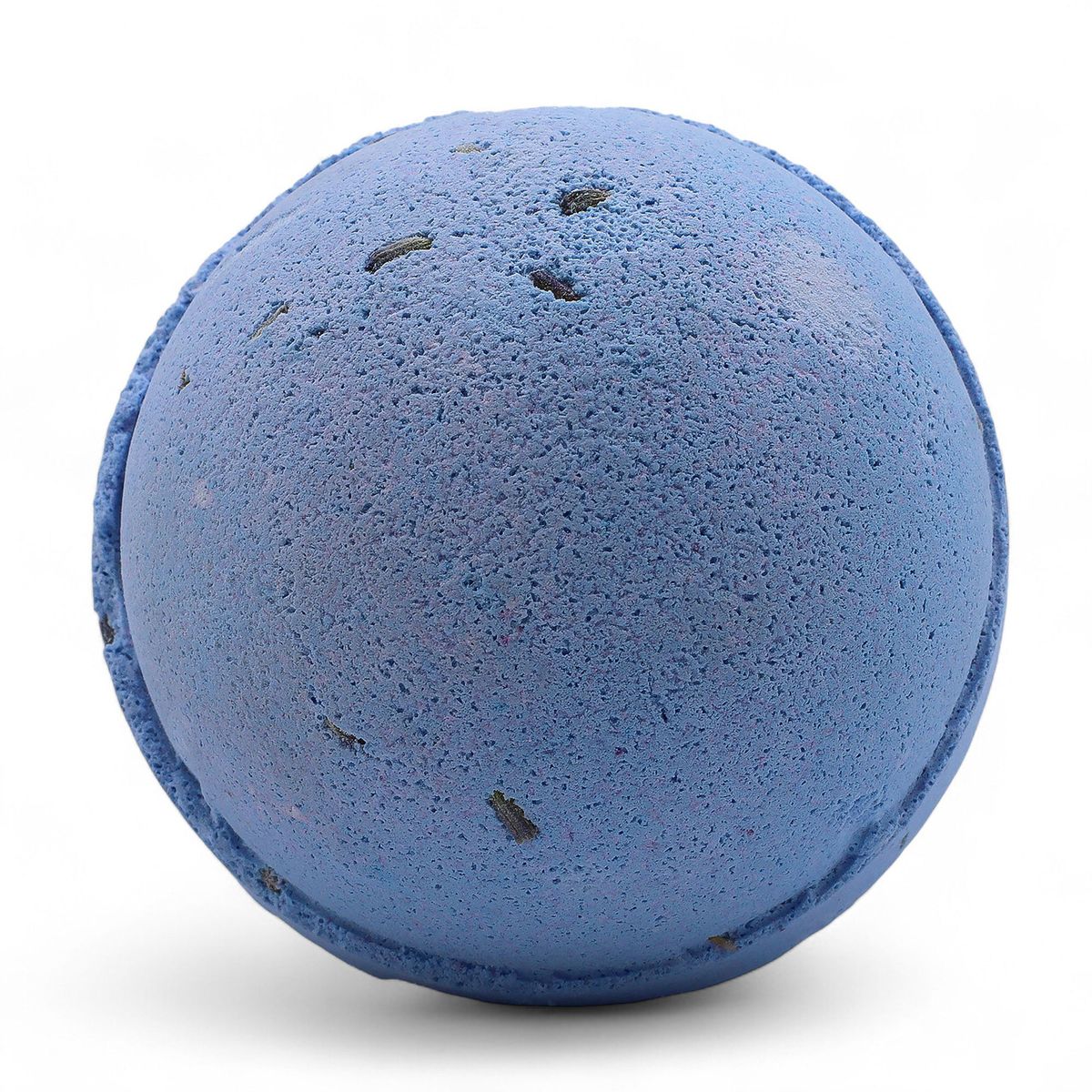
Explore some lovely options like our Set of 3 Peach Sangria Bath Bombs or the Set of 3 Lavender & Seeds Bath Bombs to add natural aromas to your bathing routine safely and beautifully.
Keep Learning and Experimenting with Care
How do you use essential oils safely? It starts with respect for their potency and a bit of knowledge about best practices. Always buy high-quality essential oils from reputable sources to avoid adulteration—an important step for safety and efficacy. Remember, less is often more with essential oils, and careful dilution will protect your skin and senses.
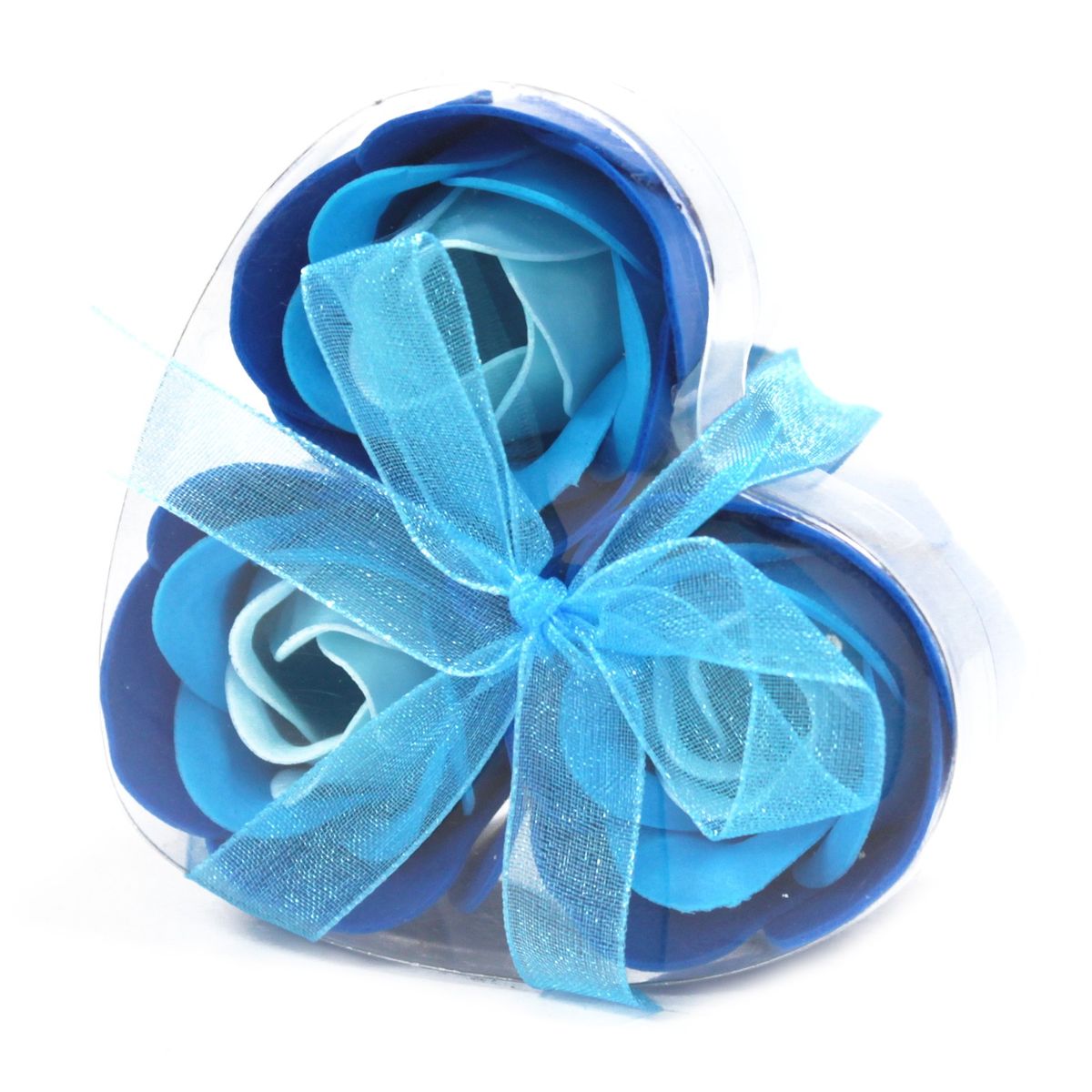
Should you wish to treat friends or loved ones, consider gifting elegant and fragrant options like the Set of 3 Soap Flower Heart Box – Pink Roses or the Set of 24 Soap Flower Heart Box – Yellow Roses, which provide a luxurious, natural touch without direct essential oil application concerns.