Can You Apply Essential Oils Directly to the Skin?
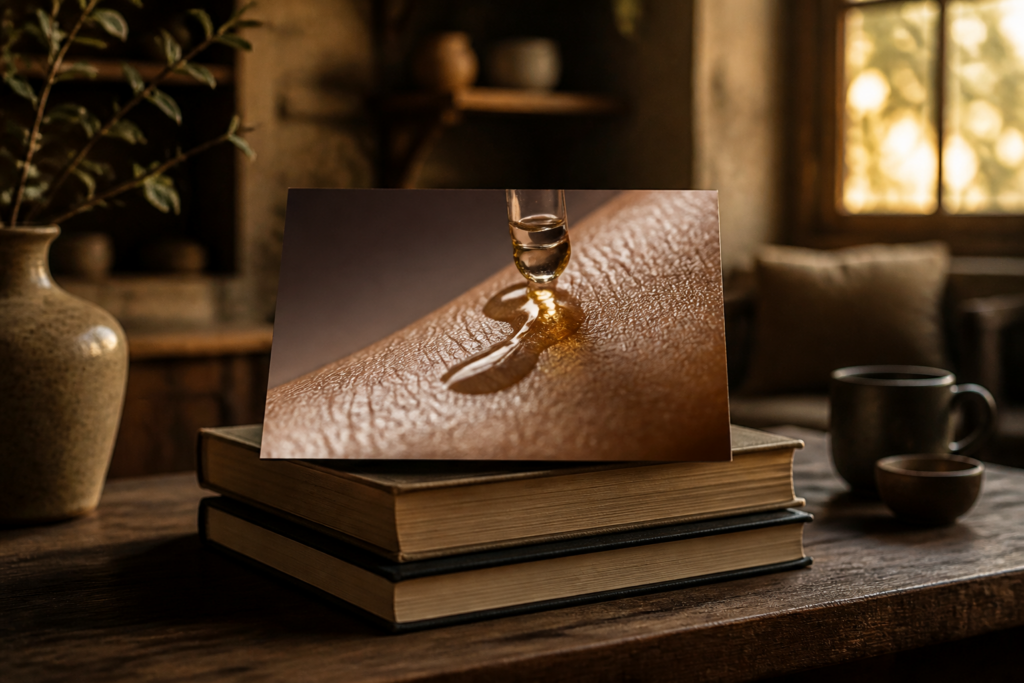
Essential oils are wonderfully versatile, capturing the natural essence of plants in a concentrated form. If you’ve ever wondered can you apply essential oils directly to the skin? you’re not alone. Many people are drawn to the rich aromas and potential benefits of essential oils and consider using them topically. However, it’s important to understand how best to use these potent oils safely.
Understanding Essential Oil Potency and Skin Sensitivity
Essential oils are highly concentrated extracts, which means they contain powerful compounds that can sometimes irritate the skin if applied directly without dilution. The question of whether you can apply essential oils directly to the skin often depends on a few factors including the type of oil, your skin type, and the intended use.
Some essential oils are gentle and may be safe to apply in minimal amounts undiluted, but many can cause redness, burning sensations, or allergic reactions. This is why it’s generally advisable to dilute essential oils in a carrier oil before topical use.
Carrier Oils and Their Role in Safe Application
Carrier oils act as a safe base to dilute essential oils and help distribute them evenly on the skin. Popular carrier oils include coconut oil, jojoba oil, almond oil and grapeseed oil. Dilution typically ranges from 1% to 5% essential oil in a carrier oil, depending on the sensitivity of the skin area and the purpose of use.
For instance, for facial application or sensitive skin, a 1% dilution (around 6 drops of essential oil per 30ml carrier oil) is recommended, while for general body oils a 2-3% dilution is often suitable.
When Is It Safe to Apply Essential Oils Neat (Undiluted)?
In certain situations, some essential oils can be used neat (undiluted), but these cases are quite limited. For example, Lush Lavender essential oil is known to be relatively gentle and is sometimes applied directly in very small quantities on minor cuts or insect bites due to its soothing properties. Still, even then, a patch test is advised to check for any adverse reaction.
Other essential oils like tea tree oil occasionally get used undiluted for spot treatments on blemishes, but caution and professional guidance are recommended.
Patch Testing for Skin Reaction
Before applying any essential oil—even diluted—it’s wise to perform a patch test. Apply a small drop of diluted oil to a discreet area of skin, such as the inside of your wrist or elbow, and wait 24 hours to observe any reaction. This simple step helps to use essential oils safely and avoid irritations.
SENSE RITUAL – SHOP – OUR PICKS
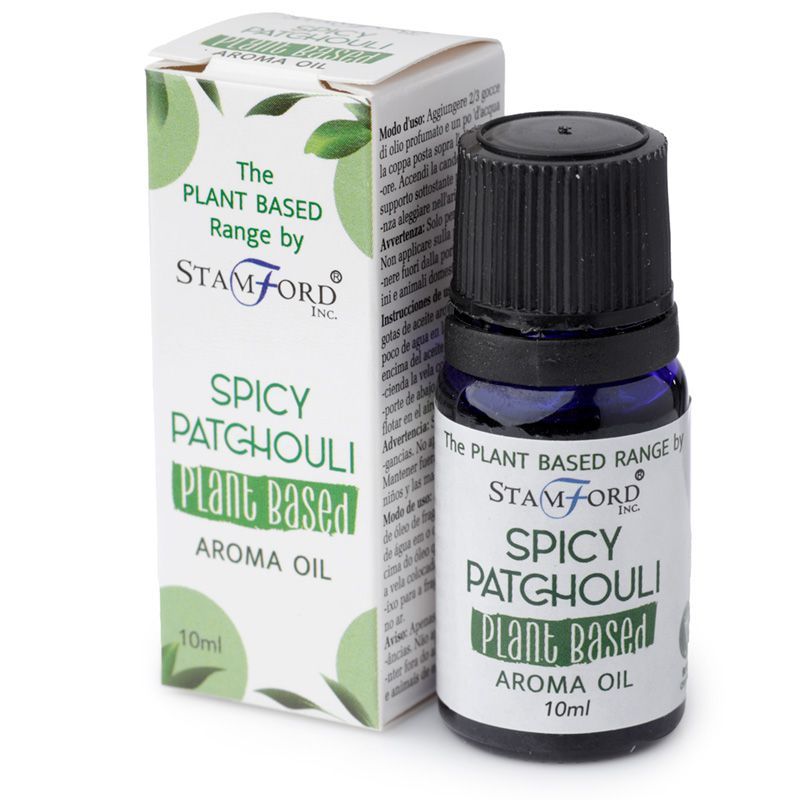
Essential Oils That Should Never Be Applied Directly
Some essential oils are typically too potent or irritating to use undiluted. Oils such as cinnamon, clove, oregano, and lemongrass have strong irritant properties and should always be blended with carrier oils.
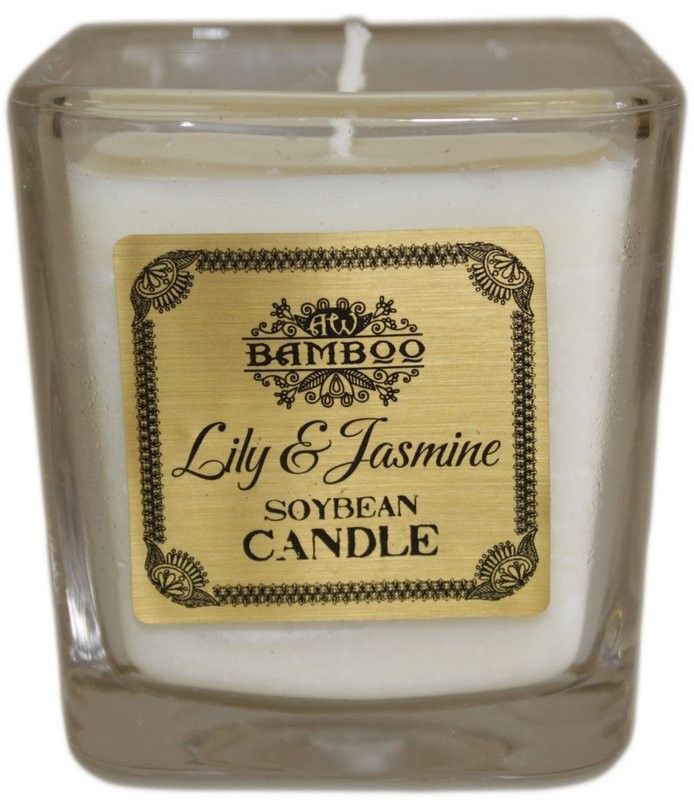
Applying these oils directly can cause burns, blistering or allergic reactions, especially on sensitive or broken skin. For aromatic and topical enjoyment without direct skin contact, consider using a diffuser or scented candle instead, such as the Vanilla Soy Pot of Fragrance Candle which creates a gentle, cosy atmosphere without skin exposure.
How to Safely Apply Essential Oils to Your Skin
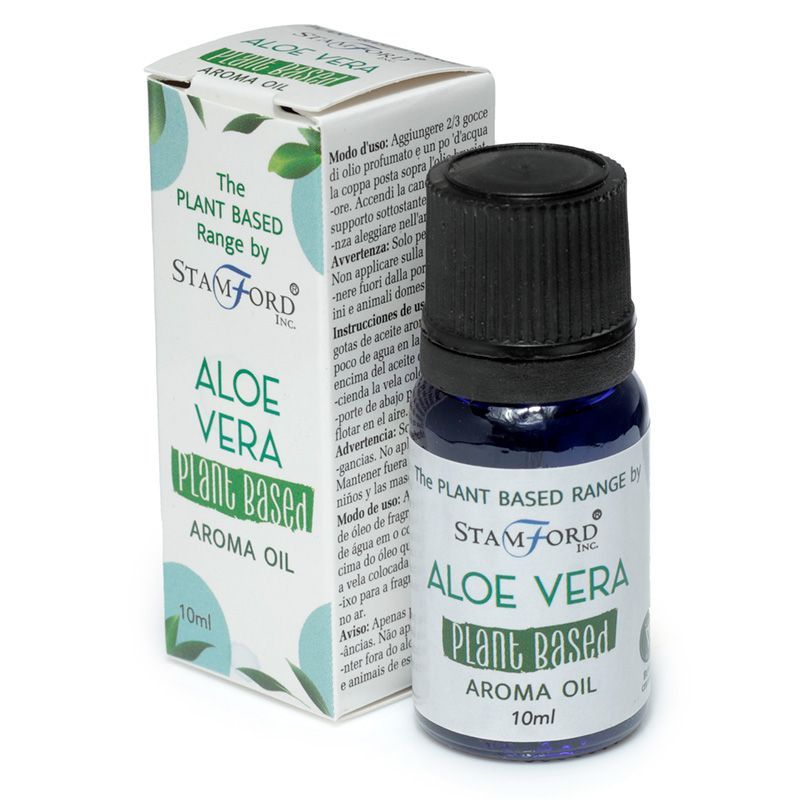
For everyday topical use, mixing essential oils with carrier oils and applying small amounts to pulse points, massage areas or dry spots is a practical approach. For a nourished and aromatic skin experience, try our Plant Based Aroma Oil – Berry Blitz, specially crafted to be gentle and deeply moisturising.
- Dilute appropriately: Follow dilution guidelines; 2-3% for normal skin, lower for sensitive types.
- Patch test first: Avoid surprises with a small skin test.
- Avoid sensitive areas: Do not apply oils near eyes or mucous membranes.
- Mind sun exposure: Citrus oils like bergamot can increase photosensitivity.
Special Care with Children and Pregnant Women
Children’s skin is more delicate, so essential oils should be diluted even further, with many experts suggesting 0.5–1% dilution. Pregnant and breastfeeding women should consult a healthcare provider before topical use, as some oils are not recommended during pregnancy.
Alternatives to Direct Application: Enjoying Essential Oils in Other Ways
If you prefer to avoid topical use altogether, essential oils can still fill your home with delightful fragrances without touching the skin. Using a diffuser allows the aroma to gently scent the air, promoting a relaxing environment. Learn all about how to use essential oils in a diffuser and discover how many drops create the perfect aroma here.
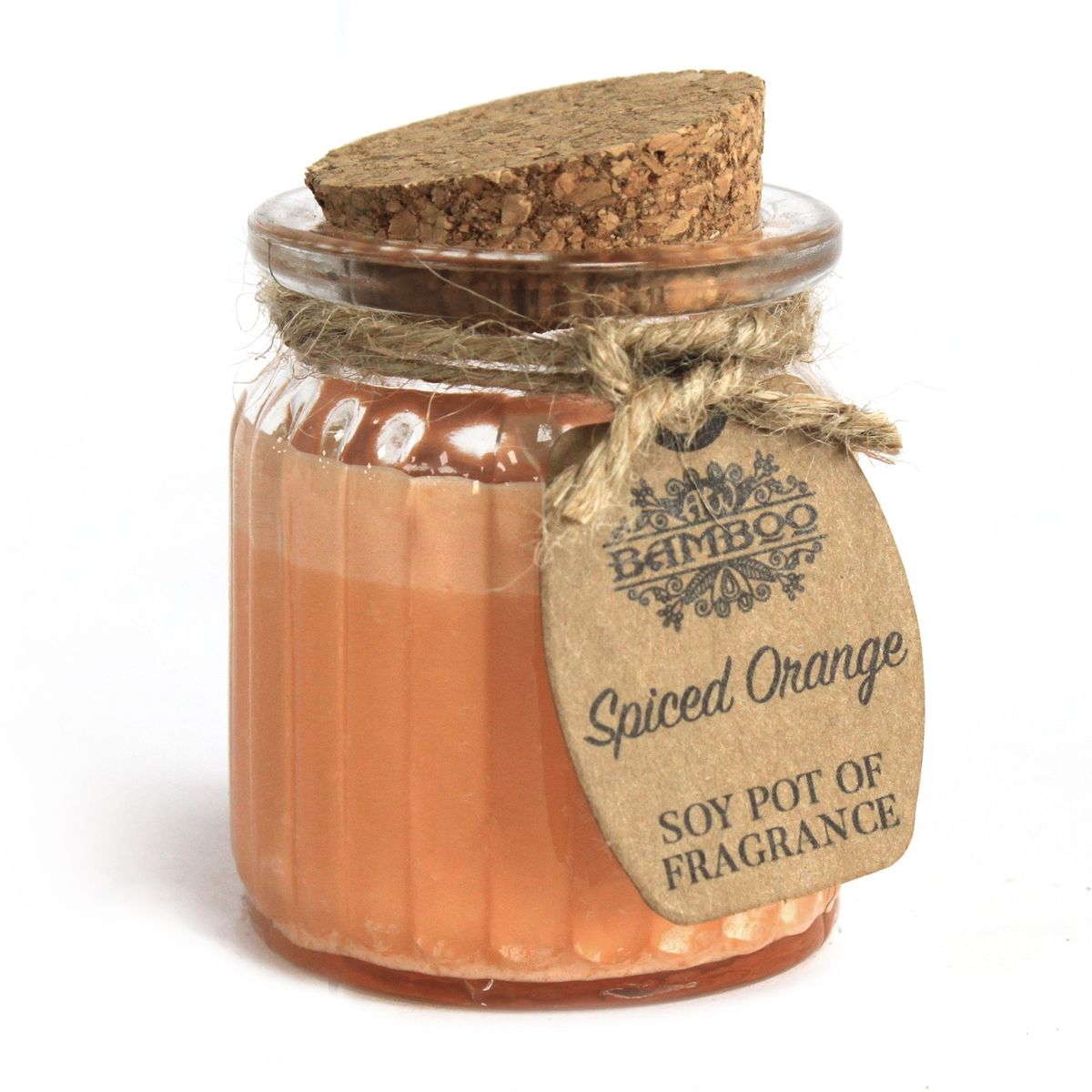
Candles infused with essential oils are another option, such as our Spiced Orange Soy Pot of Fragrance Candle providing a warm and inviting scent suitable for any room.
Enjoy Essential Oils Responsibly and Personalise Your Experience
Whether it’s a few drops of Sweet Frankincense diluted in carrier oil or a fragrant bath with natural aroma oils, always remember that essential oils are potent and need respect. Understanding what essential oils are and how they work is key to building a safe and enjoyable aromatherapy routine.
For those new to essential oils, exploring which essential oils are best for beginners can help you select milder scents that are suitable for topical application.
When applied with care and proper dilution, essential oils can enhance your wellbeing rituals and skin care experiences in a natural way.