How Do You Dilute Essential Oils for Topical Use?
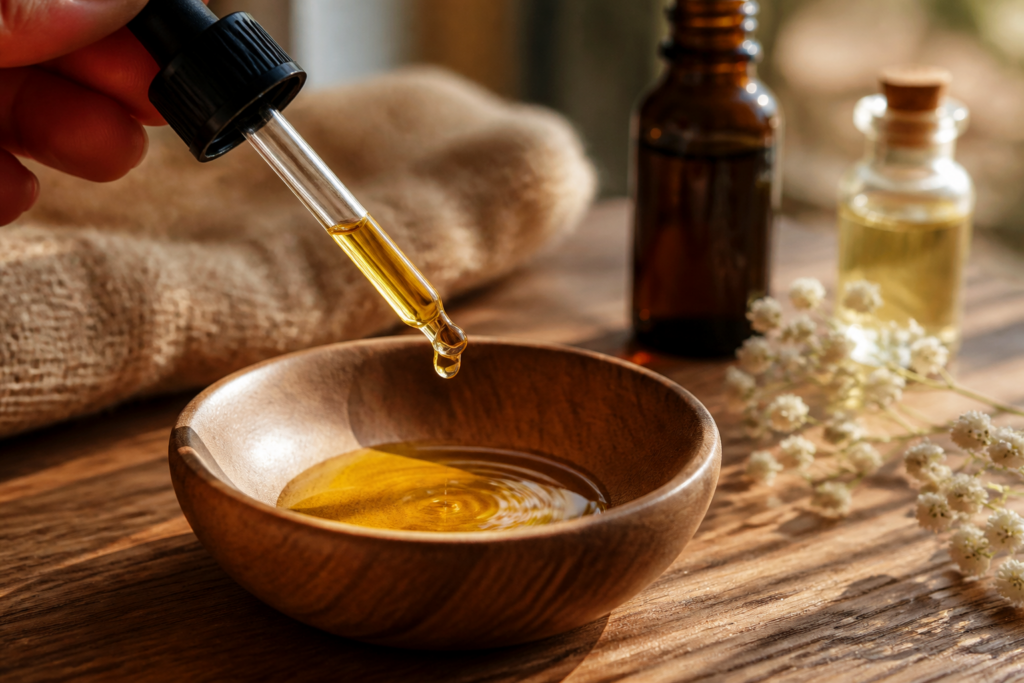
If you’re new to aromatherapy or simply want to enhance your natural skincare routine, you may be wondering how do you dilute essential oils for topical use? Essential oils are potent extracts from plants, and while they bring wonderful aromas and benefits, applying them directly to your skin without dilution is not advisable. Understanding the correct dilution methods ensures you enjoy your essential oils safely and effectively.
Why Dilution Is Important for Essential Oils
Essential oils are highly concentrated and can cause skin irritation, sensitisation, or allergic reactions if applied undiluted. Diluting them with a carrier oil or another suitable base helps reduce this risk while still delivering their aromatic qualities and benefits. It also aids with even application and absorption into the skin.
For information on essential oil properties, see our detailed guide on What Are Essential Oils and How Do They Work?.
Choosing the Right Carrier Oil
Carrier oils are vegetable-based oils that ‘carry’ the essential oil safely onto your skin. They have their own skin benefits and vary in texture, scent and absorption rate. Popular choices include jojoba, sweet almond, coconut, grapeseed and rosehip oil.
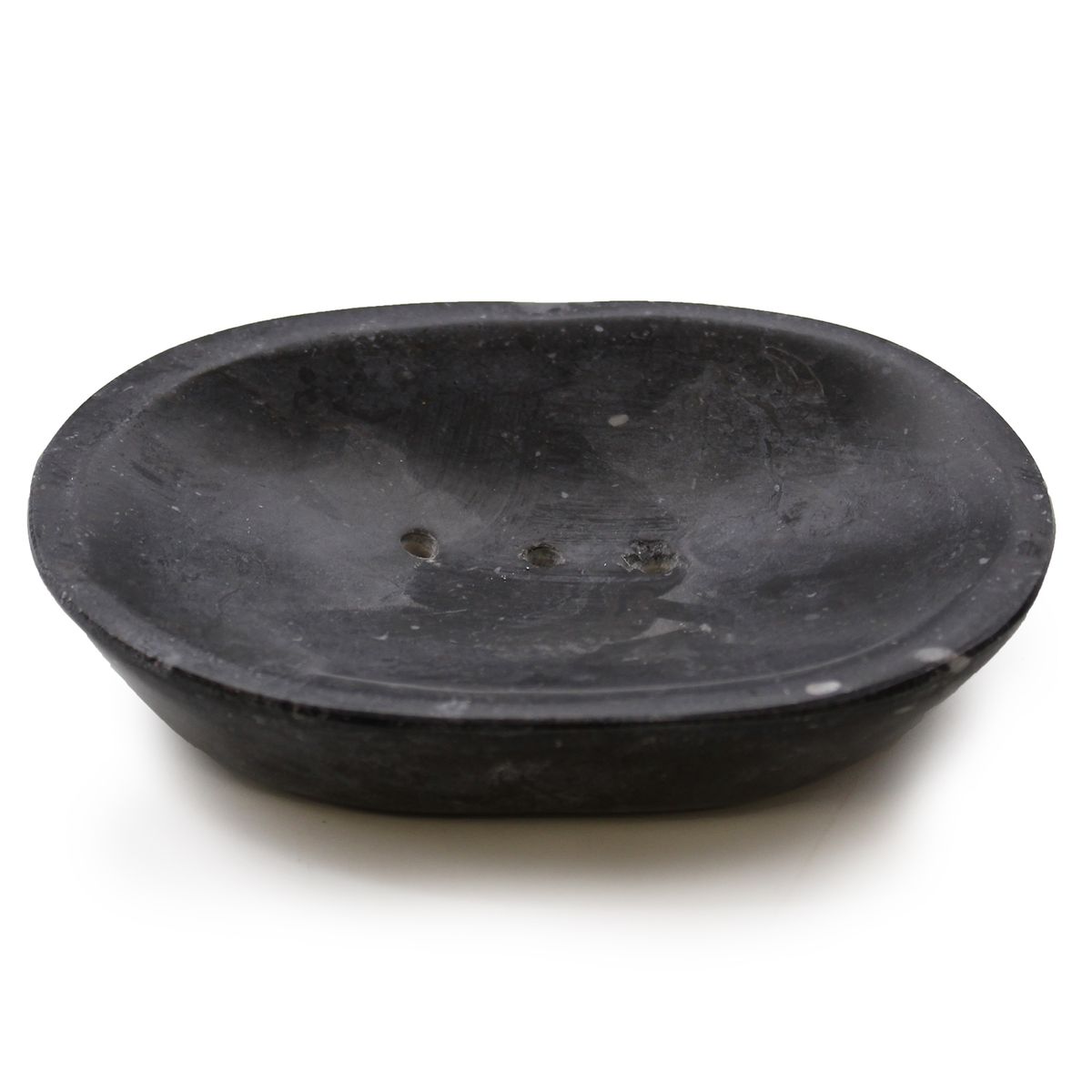
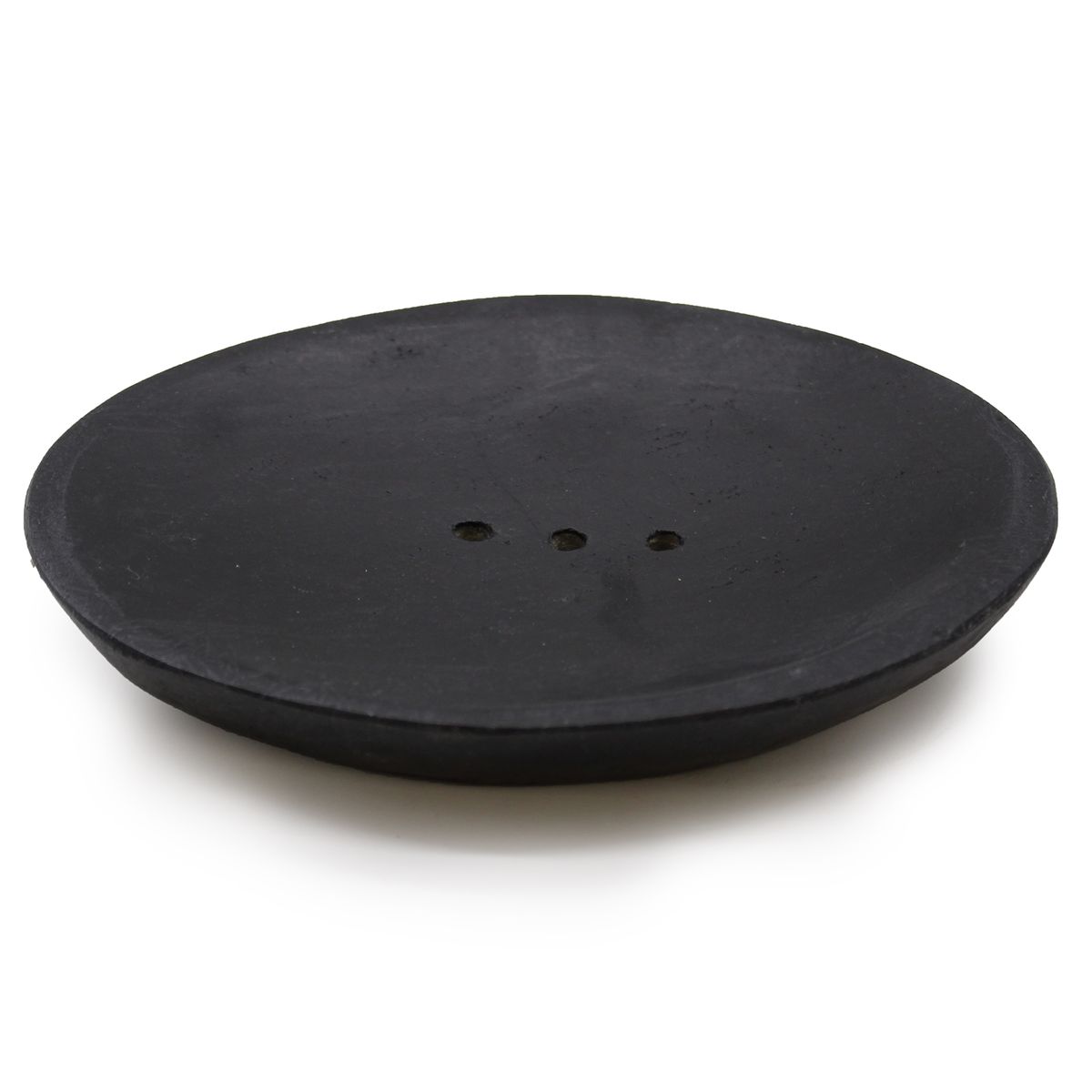
For a delicate and beautiful addition to your bath or body care routine, you might want to explore our collection of natural soaps displayed on elegant stone soap dishes such as the Classic Oval Black Marble Soap Dish, which blends functionality with style.
How to Select a Carrier Oil
- Skin type: for oily skin, lighter oils like grapeseed work well; dry skin benefits from richer oils like rosehip or avocado.
- Purpose: if you want moisturising effects, shea or coconut oil are excellent; for anti-inflammatory needs, hemp or calendula-infused oils could be preferred.
- Allergies: always check for nut allergies before choosing nut-based oils like almond or macadamia.
SENSE RITUAL – SHOP – OUR PICKS

Common Dilution Ratios for Topical Use
The dilution percentage depends on the user’s age, skin sensitivity, and the essential oil being used. Below are general guidelines for safe topical application:
| Use Case | Dilution Percentage | Drops of Essential Oil per 10ml Carrier Oil |
|---|---|---|
| Adults, general use | 2% | 4-5 drops |
| Sensitive skin or facial application | 1% | 2-3 drops |
| Children (above 6 years) | 0.5%-1% | 1-3 drops |
| Elderly or frail skin | 0.5%-1% | 1-3 drops |
| Acute issues (short term use) | up to 3% | 6-9 drops |
Remember to perform a patch test first to check for any skin reactions.
How to Calculate Dilution
For practical purposes, about 20 drops of essential oil equals 1 millilitre. To create a 2% dilution, add about 12 drops of essential oil to 30ml of carrier oil. This approach ensures a safe concentration for most topical uses.
Step-by-Step Guide to Diluting Essential Oils
- Choose your carrier oil based on your skin type and preference.
- Measure the carrier oil into a clean, small glass bottle or container suitable for mixing.
- Add the drops of essential oil according to the desired dilution ratio.
- Mix thoroughly by shaking gently to blend the oils evenly.
- Label your mixture with the date and dilution to keep track.
- Perform a patch test on a small skin area and wait 24 hours to check for sensitivity.
Essential Tips for Safe Topical Use
Proper dilution is part of safe essential oil use but keep in mind other important safety considerations:
- Avoid sensitive areas: do not apply near eyes, mucous membranes, or open wounds.
- Know your oils: some oils like cinnamon bark and clove are much stronger and require lower dilution.
- Consult guidelines: if pregnant, nursing or on medication, seek advice before use.
- Storage: store mixtures away from light and heat to preserve their quality.
For further safety advice, our article on How Do You Use Essential Oils Safely? offers valuable information to guide your aromatherapy journey.
Popular Carrier Oils Available at Sense Ritual
We stock various high-quality carrier oils to suit different skin needs. Some options to consider include:
- Organic Jojoba Oil: close to the skin’s own sebum, great for oily or combination skin.
- Sweet Almond Oil: lightweight and moisturising, ideal for sensitive skin.
- Rosehip Oil: rich in vitamins and antioxidants, excellent for dry or mature skin.
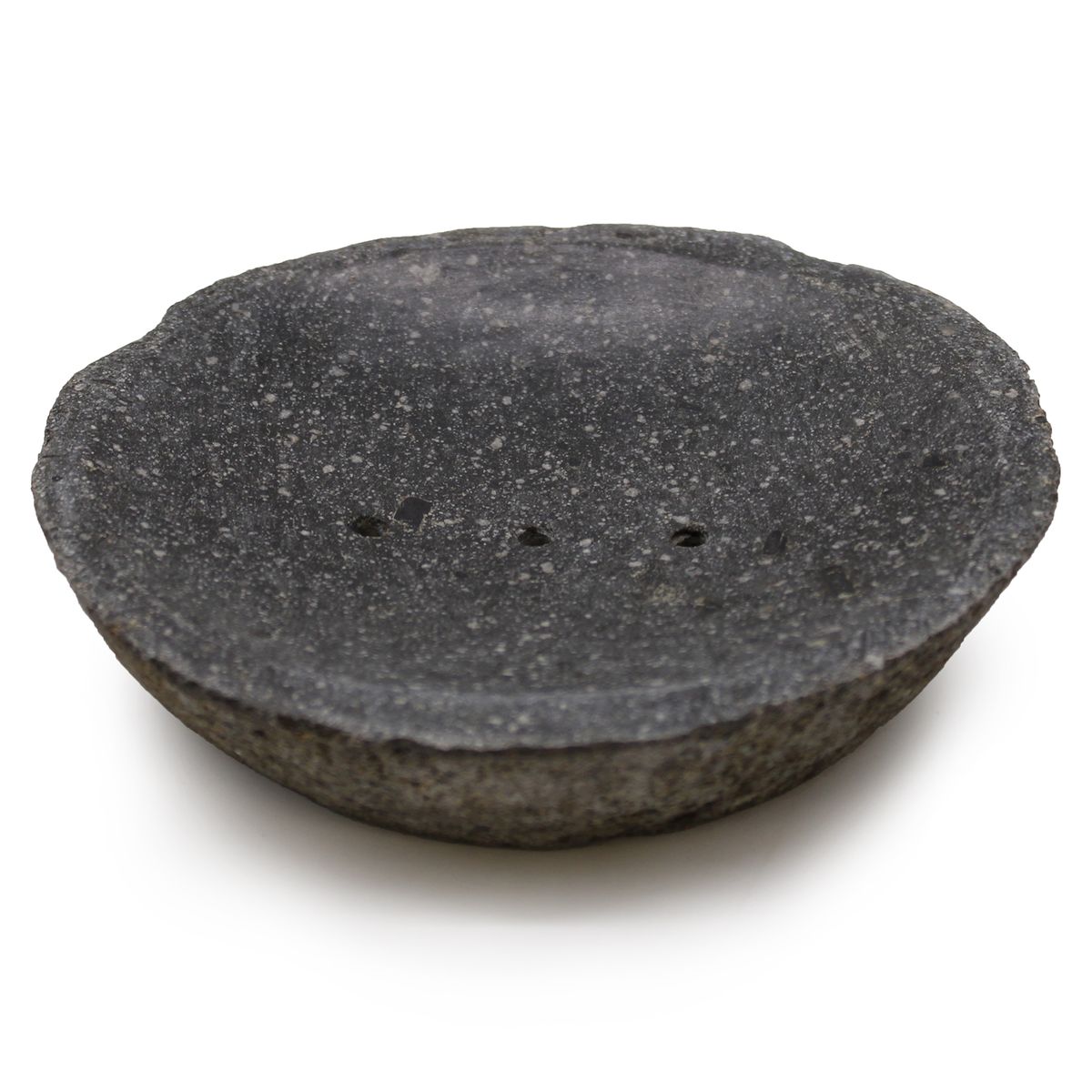
Explore our full range and personalise your skincare with premium carrier oils available alongside elegant bath accessories such as the Petrified Wood Brown/Black Soap Dish or the Grey Soapstone Soap Dish 12×8.5cm – Heavey Ridges for a natural touch in your bathroom.
Enhancing Your Experience with Essential Oils
Blending your diluted essential oil mix into body lotions, massage oils or creams can make your topical application more enjoyable. For example, you might try adding calming blends like lavender or chamomile for relaxation, inspired by recommendations in What Are the Best Essential Oils for Relaxation?.
For bath-time indulgence, use your carefully diluted blends alongside luxuriously crafted natural soaps resting on a stylish soap dish such as the Round Honey Marble Rounded Soap Dish. This creates a soothing, tactile experience that enhances self-care rituals.
Frequently Asked Questions About Diluting Essential Oils
Can you apply essential oils directly to the skin?
It’s generally recommended to dilute essential oils before topical use to avoid irritation or sensitisation. For more details on this topic, please visit Can You Apply Essential Oils Directly to the Skin?.
What if I accidentally use a higher concentration?
Higher concentrations can cause redness, burning or itching. If this happens, wash the area with a gentle cleanser and dilute carrier oil to help ease discomfort. Discontinue use if irritation persists.
Can I mix more than one essential oil in one batch?
Yes, blending oils can create personalised profiles but keep to the total recommended drops to maintain proper dilution and safety.
Discover More Aromatherapy Essentials
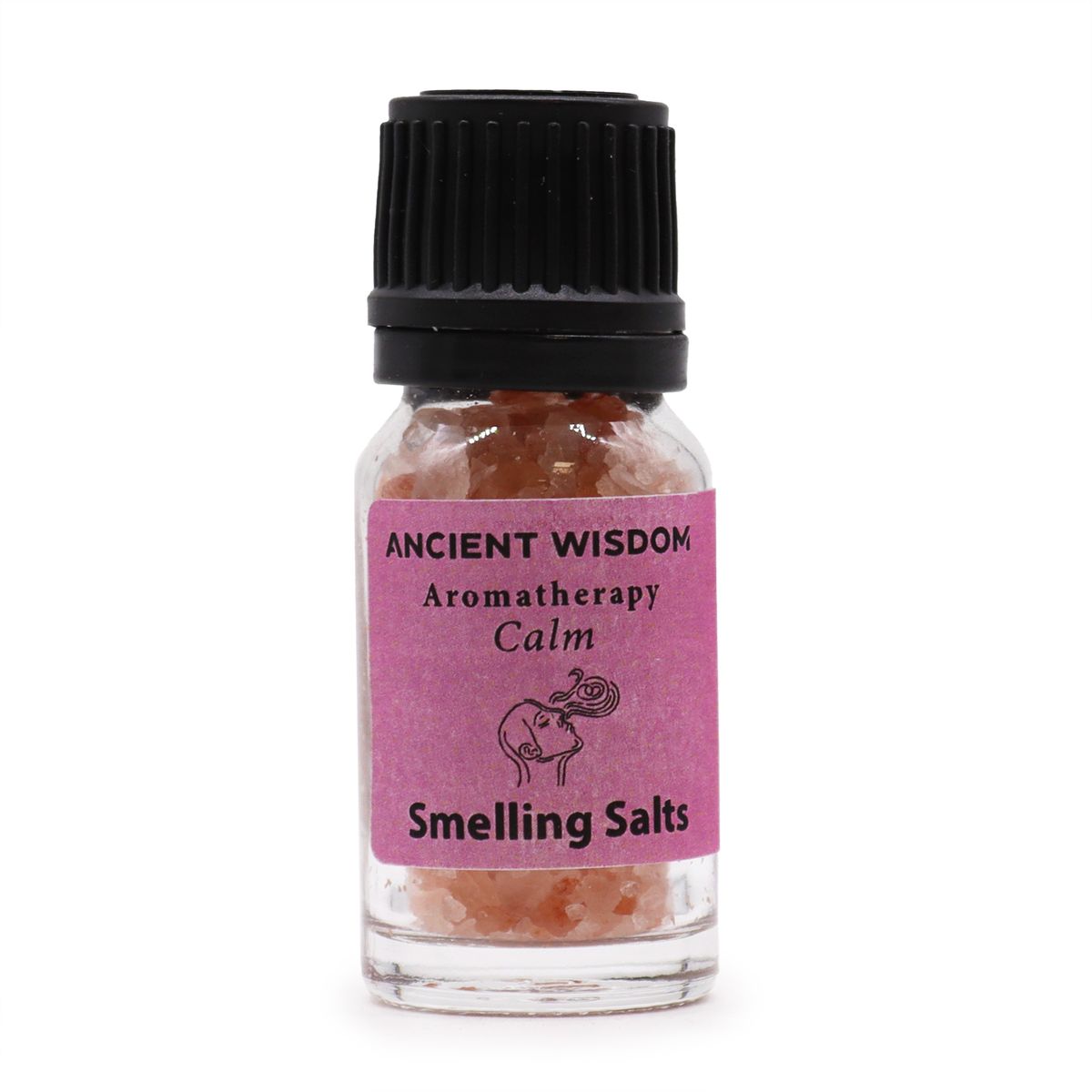
If you enjoy exploring natural scents and want to complement your diluted essential oil usage, consider our aromatherapy smelling salts, like the Calm Aromatherapy Smelling Salt or the De-Stress Aromatherapy Smelling Salt. These can add a refreshing aromatic boost to your day without topical application.
Whether you are just beginning or deepening your aromatherapy knowledge, check out our helpful resource on Which Essential Oils Are Best for Beginners? and learn how to use them respectfully and enjoy their qualities within a natural lifestyle.